

Our Quran Courses: A Path to Knowledge

History of Islam
Explore the inspiring journey of Islam through key events, sacred places and trusted historical books that shaped Muslim identity.- Learn key events and figures that shaped Islamic civilization worldwide
- See the Islamic timeline of prophets in stunning historical charts
- Dive into classic and modern books of Islamic history with experts
- Discover how Islam and community evolved through powerful stories
- Understand how the Islamic way continues to guide lives today
- Interactive sessions bringing early Islam to young learners worldwide
- Explore visual and audio history materials from all eras of Islam
Course Objectives
- Understand the History of Islam from origin to current-day influences.
- Analyze major figures’ roles in the Islamic chronology of prophets.
- Discuss Islam and the community influence on world civilizations.
- Interpret the meaning of teachings from the Islamic history books in historical context.
- Use lessons from the Islamic path to current-day Muslim identity and society.
Course Syllabus
- Module 1: Overview of the History of Islam and pre-Islamic Arabia
- Module 2: The Life of Prophet Muhammad and the Emergence of Islam
- Module 3: The Rashidun Caliphate and Expansion of the Islamic World
- Module 4: In-depth into the Islamic timeline of prophets
- Module 5: The Umayyad and Abbasid Dynasties
- Module 6: Islam and the Golden Age, Reading books of Islamic history
- Module 7: Islam’s Spread in Africa, Asia, and Europe
- Module 8: The Role of Islam and community in society
- Module 9: Applying the Islamic way to everyday life
- Module 10: Modern Reflections on Islamic History
- Module 11: Student Presentations and Reflections
- Module 12: Final Exam & Review
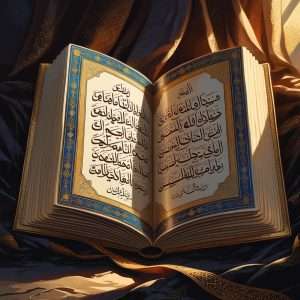 The History of Islam is one of travel through time that embodies the spirit of belief, community, and heritage. It started in the 7th century in Mecca, through the revelation to Prophet Muhammad (peace be upon him). Through the passage of time, Islam spread fast across continents, influencing civilizations and bridging cultures. This rich history still directs millions, not just a religion, but a way of life in its entirety.
From the early days of the caliphates to the contemporary world, the Islamic chronology of prophets and scholars enlightened the world. Their work and teachings formed the cornerstone of a lasting civilization. Each page in the books of Muslim history speaks volumes about the Muslim world’s strength, cohesion, and richness. These stories encourage communities to rediscover the origins of their identity and values.
Curriculum Overview
- Islamic history foundations and early revelation
- Prophetic life through the Islamic period
- Emergence and legacy of Islamic empires
- Fundamental values from the Islamic path
- Social organizations influenced by Islam and society
- Review and examination of classical works of Islamic history
How Our Course Works
- Week 1: Introduction to the History of Islam and Arabia prior to Islam
- Week 2: Prophet Muhammad’s biography and initial revelations
- Week 3: The Hijrah, Medina era, and the establishment of community
- Week 4: Exploring the Islamic prophetic timeline
- Week 5: The Caliphates and Islamic systems of governance
- Week 6: Classical Islamic literature and Islamic history books
- Week 7: Islamic science, culture, and world influence
- Week 8: The emergence and impact of Islam and community through time
- Week 9: Ethical, social, and legal principles from the Islamic path
- Week 10: Colonialism and contemporary challenges in Islamic societies
- Week 11: Project presentations and peer review
- Week 12: Course review, final exam, and feedback session
Understanding Islam Through History
To better understand Islam today, one has to look into the past. The History of Islam is not merely an account of events; it is a living heritage. Every milestone whether the hijra to Medina, the establishment of the first Islamic state, or the era of science and philosophy symbolizes the strength of faith and the resilience of the Islamic community.
The histories of early Muslims show bravery, sacrifice, and steadfast belief. These histories make contemporary readers value the Islamic way, a path of justice, mercy, and knowledge. Through these moments, we forge bridges across generations and bring about a stronger, educated future.
The Islamic Way Through Generations
The Islamic path is rooted in its history. It is seen in everyday life, religious practice, and ethical society. From the modest beginnings of early worship to the majesty of Islamic dynasties, the past shows how Islam transformed societies. Through exchange of cultures and scholarship, Islamic civilization impacted art, science, and government in the world.
Knowing the Islamic chronology of prophets helps us to understand their uniform message, one God and righteous living. Every prophet wrote a chapter in this holy chronology, topping it with the last message sent to humankind through the Quran.
Learning Through Islamic History Books
To understand the History of Islam, one needs to refer to the Islamic history books. These books are repositories of information that chronicle events, values, and the development of Islamic thought. They depict the changes taking place in societies under the teachings of faith. Scholars such as Ibn Khaldun, Al-Tabari, and others have provided works that are still used today.
These books not only give factual accounts but also spiritual perspectives. They enable readers to think about how Islamic teachings impacted the realm of government, education, and community life. Through them, we regain a sense of the unity and diversity of the Islam and community.
Embracing the Islamic Timeline of Prophets
The Islamic chronology of prophets starts with Adam and ends with Muhammad (peace be upon all of them). Every prophet’s life contains teachings that are still applicable. They all teach patience, wisdom, and the need to remain loyal to one’s religion. By relating to this chronology, we realize Islam’s universal message. We are reminded that Islam has always been about community, justice, and mercy. The past is not just to be remembered; it is to be remembered and lived.
Impact of the History of Islam on Global Civilizations
The History of Islam has touched the lives of some of the world’s greatest civilizations. With the emergence of the Abbasid Caliphate and the prosperity of Andalusian Spain, Islam touched lives in ways that reached far beyond religious doctrine. It influenced laws, languages, economies, and arts. These changes were based on the principles of the Islamic way, which is one of justice, education, and respect for others.
And as we delve into ancient writings and the Islamic histories in books, we find that Islam was deeply integrated into all corners of society. The historical span of Islam brought cultures of East and West together. It encouraged innovation and tolerance, creating legacies that continue to reverberate today. And this international presence is an echo of the wisdom and leadership of the Islamic timeline of prophets and the unbreakable spirit of Islam and community.
Lessons of the Prophets in the History of Islam
The Islamic chronology of prophets provides eternal wisdom. They all brought a message from God specific to their people, but the essence was the same faith in one God, kindness, and responsibility. The History of Islam keeps their histories alive as moving examples of leadership, perseverance, and steadfast faith.
These stories are not history alone. They are templates for ethical and religious growth. From the creation of Adam to the last sermon of Muhammad, they instruct us in how to live as a whole and upright people. Through these books of Islamic history, we come to appreciate their struggles and their victories. Living the Islamic way, as the prophets themselves demonstrated, makes the individual as well as the broader Islamic community stronger.
Reviving the Spirit of Islam and Community
Now, rediscovering the History of Islam enables Muslims everywhere to regain their commonalities. The idea of Islam and community is based on reciprocal support, trust, and brotherhood. This was experienced in the early periods of Islam when communities lived by shared purpose and cooperation.
Going back to the books of Islamic history provides an understanding of how those values were implemented in the past. These books emphasize that unity was upheld through justice and compassion. Adopting the Islamic way today involves implementing those same principles in schools, workplaces, and communities. It also involves respecting the instruction of the prophets throughout the Islamic timeline, which continues to encourage an intertwined, strong, and believing community.
Conclusion
The History of Islam is not just a timeline, it is a living legacy that informs the present and inspires the future. With the books of Islamic history, we discover the richness of Islamic civilization, illuminated by the guidance of the Islamic timeline of prophets. The historical perspective reveals to us how faith, knowledge, and community have always been interconnected.
Embracing the Islamic way today means reconnecting with that legacy; it means living with purpose, values, and strengthening Islam and community bonds. As we find clarity in reflecting on the past, we look toward present direction for generations to come. Understanding where we come from gives us the power to shape a more meaningful and united future rooted in faith and fueled by knowledge.
FAQs About History of Islam
The History of Islam discloses the emergence and evolution of a universal religion, making it easy to comprehend its spiritual, social, and cultural significance.
They keep valuable information about Islamic civilizations, prophet tales, and the evolution of Muslim communities over centuries.
Islam focuses on charity, cooperation, and respect for one another, which are essential for the establishment of robust communities based on faith.
It is the sequence of prophets dispatched by God, from Adam to Muhammad, each bearing the message of guidance and the oneness of God.
It refers to living according to values such as honesty, justice, kindness, and religious commitment, as exemplified by the Prophet Muhammad and the previous prophets.